
UAE Corporate Tax
Corporate Tax, VAT, Transfer Pricing, Duties, Social Security Compliance Guide
 Call
Call  Whatsapp
 Video Call
 2026-05-19
 Author:Adam
  Source:
  Current online readers: 820
 UAE Corporate Tax

Many investors have a cognitive misconception: no personal income tax in Dubai means zero corporate tax burden. In fact, although residents of Dubai, UAE are not required to pay personal income tax, businesses operating in Dubai and throughout the UAE are required to pay a number of taxes and fees in accordance with the law, including corporate tax, value-added tax, transfer pricing compliance, real estate transfer fees, import duties, special consumption tax and social security contributions. A comprehensive grasp of the UAE corporate tax system is the core prerequisite for foreign-funded enterprises and Chinese-funded companies to operate in compliance with the UAE and avoid tax risks. If enterprises need accurate tax planning and compliance guidance, they can consult the official list of registered tax agents published by the UAE Federal Tax Administration to obtain professional tax services, or rely on the official website of the Federal Tax Administration to consult the latest tax regulations, collection and management rules and policy rules.
the UAE corporate tax is a direct tax levied on the net commercial profits of enterprises and various operating entities, and is currently one of the core main taxes of enterprises operating in the UAE. According to UAE Federal Decree No. 47 of 2022, the standard corporate tax rate of 9% is applied to the annual net profit of UAE inland operating enterprises of 375000 dirhams (about US $102000) or more. Enterprises that do not meet the profit threshold can enjoy the corporate tax exemption policy. Enterprises can log on to the official website of the UAE Federal Tax Office to inquire about the latest tax calculation rules, declaration requirements and tax payment rules.
In order to adapt to the business characteristics of different industries, the UAE tax law defines the scope of statutory tax-exempt enterprises. Natural resource extraction enterprises, non-extractive natural resource management entities, compliance investment funds, etc. that meet the compliance conditions may apply for exemption from corporate tax. Enterprises that meet the tax exemption qualification should strictly follow the regulatory guidelines of the Federal Inland Revenue Department and continue to maintain a state of compliance. It is recommended to consult professional tax authorities regularly to avoid the risk of tax exemption qualification failure.
Enterprises in the free trade zone enjoy exclusive tax dividends, and enterprises in the UAE free trade zone operating in compliance can be exempted from corporate tax, which is the core tax advantage for foreign-funded enterprises to invest and start businesses in the UAE free trade zone.
VAT is the most widely covered transfer tax in the UAE, with a standard consumption tax rate of 5% applicable to conventional goods and services and VAT exemption for some special categories. VAT is collected and accounted for by enterprises on their behalf in the transaction process, and is declared and paid to the Federal Tax Administration in accordance with regulations. All inland registered enterprises in the UAE are required to comply with the VAT collection and management system.
2.1 VAT compulsory registration and voluntary registration standards.
UAE enterprises must complete VAT registration in accordance with the law if they meet the following conditions: the total annual taxable supply and import of the enterprise exceeds 375000 dirhams; Non-UAE local enterprises carry out taxable business activities in China, and no other subjects bear tax obligations.
At the same time, a threshold for voluntary registration is set: enterprises with annual taxable supplies and imports reaching 187500 dirhams (about US $51000) can apply for VAT registration independently and improve the fiscal and tax compliance system.
Special VAT Rules for Designated Areas of 2.2 Free Trade Zone
some of the free trade zones in the UAE and the exclusive areas of the free trade zones are officially designated as "designated areas" and enjoy a special value-added tax policy: the circulation of goods between the two designated areas is exempt from value-added tax; however, if the goods are sold from the designated areas of the free trade zone to the inland market of the UAE, VAT must be paid in accordance with the law.
2.3 VAT reporting cycle requirements
all businesses are required to submit a VAT return through the official e-portal of the UAE Federal Tax Office within 28 days of the end of each tax cycle to complete the tax clearance. The reporting cycle is divided according to the annual turnover of the enterprise: enterprises with an annual turnover of less than 0.15 billion dirhams shall report VAT quarterly; Large-scale enterprises with annual turnover of 0.15 billion dirhams (about US $40.8 million) must complete the declaration on a monthly basis.
in order to regulate related transactions and curb profit transfer and tax base erosion, the UAE has fully introduced standardized transfer pricing rules, and the overall system is strictly benchmarked against the OECD OECD transfer pricing guidelines, which apply to all enterprises operating in the UAE with related transactions.
The so-called transfer pricing mainly refers to the pricing behavior of goods and services transactions between different departments, parent subsidiaries and related entities within the enterprise group. The UAE tax law clearly requires that all related party transactions must follow the principle of independent transactions, use statutory fair pricing methods to account for transaction prices, and eliminate unreasonable related transaction tax avoidance.
Enterprises that meet the official revenue and transaction thresholds must prepare, file and keep complete transfer pricing documents as required for verification by tax authorities, which is a key control section for multinational enterprises and Chinese group enterprises to operate in compliance in Afghanistan.
when carrying out real estate transactions in Dubai, the transfer of property rights from the seller to the buyer is subject to a 4% real estate transfer fee, as well as a small management fee, which is paid to the Dubai Land Bureau at the time of registration of the real estate transaction.
Taxes and fees bear no mandatory fixed subject, the industry is routinely borne by the buyer, the buyer and seller can negotiate according to the transaction contract to share the cost, is Dubai real estate investment, home ownership, commercial real estate transactions necessary compliance costs.
the UAE's conventional imports are subject to a basic import tariff of 5% on CIF (total amount of cost, insurance and freight), and some special categories are subject to high tax rates: 100 per cent on tobacco and 50 per cent on alcohol.
Goods in the free trade zone enjoy the advantage of tariff exemption: goods stored in the UAE free trade zone are not subject to customs duties; if the goods are removed from the free trade zone and enter the inland market of the Gulf Cooperation Council (including the UAE), the corresponding customs duties will be levied on the first entry. There are detailed rules for import declaration, temporary entry, duty-free quota application and other businesses, and enterprises can consult professional tax declaration agencies for compliance.
the UAE has officially implemented a special consumption tax since 2017, taxing high-consumption and high-risk goods, guiding healthy consumption through tax regulation and adapting to national industrial and consumption policies. At present, the categories and tax rates are as follows:
1. Tobacco and tobacco products, e-cigarette liquid, e-cigarette devices, energy drinks: a unified 100 special consumption tax;
2. Carbonated drinks and sweet drinks: 50% special consumption tax shall be levied uniformly.
All kinds of tax categories include detailed sub-categories. Enterprises engaged in the import, sale and operation of related commodities need to connect with tax experts in advance to declare and pay taxes accurately and in compliance with regulations to avoid penalties for violations.
the UAE has set up an exclusive social security system for its citizens and has implemented a two-way payment model between employers and employees, which is a necessary compliance expenditure for employers in the UAE. Among them, employers are required to pay 12.5 per cent of the employee's total salary for UAE employees as social security expenses, and employees are required to bear 5% of the social security expenses.
In addition, citizens of other GCC member states who are employed in the UAE are required to comply with the social security payment regulations of their countries, and enterprises are required to fulfill their employer's payment obligations in accordance with the corresponding policies to ensure employment compliance.
References
[1] UAE Ministry of Finance, Federal Corporate Income Tax Decree No. 47 of 2022
[2] UAE Ministry of Finance Corporate Income Tax Official FAQ







Real estate investment in the UAE comes with the following risks and coping strategies:
Market Volatility Risk: The UAE real estate market is influenced by global economic conditions, oil price fluctuations, and geopolitical factors. For example, the 2014 oil price drop led to a temporary downturn in the UAE property market.
Project Delay or Abandonment Risk: Many investors opt for off-plan properties, but developers may face funding or construction issues, leading to delayed delivery or even project abandonment.
Legal and Policy Risk: While current policies are foreign-investor-friendly, future adjustments—such as changes to foreign ownership restrictions—could impact the market and investors.
Market Competition Risk: Popular investment areas and projects face intense competition, potentially resulting in overpricing or difficulty securing high-quality projects.
Funding Risk: Property investments require substantial capital. Funding chain disruptions—such as inability to pay installments or cover maintenance costs—may lead to investment failure.
In-Depth Market Research: Monitor global economic trends, UAE macroeconomic data, oil prices, and local property supply-demand dynamics. Regularly review authoritative economic and real estate reports to understand market trends.
Choose Reputable Developers: Evaluate developers' background, credibility, financial strength, and past project performance. Prioritize large, well-known developers with strong track records, such as Emaar.
Stay Updated on Policies: Maintain close contact with local lawyers and real estate professionals to track regulatory changes and ensure compliance. Always have contracts reviewed by legal experts before signing.
Assess Competition: Before investing, evaluate competition levels in target areas and projects. Set realistic budgets and strategies, avoiding impulsive decisions based on hype.
Plan Finances Wisely: Create detailed financial plans to cover down payments, loan interest, and maintenance costs. Manage leverage prudently to avoid excessive debt.
Alibaba Bank typically charges corporate accounts various fees, including:
Account opening fee (one-time charge)
Monthly management fee (fixed monthly fee)
Transaction fee (per transfer or transaction fee)
Minimum balance fee (if the account balance falls below the required threshold)
Fee standards vary significantly between different banks. Businesses should carefully compare options when choosing a bank to select the most cost-effective solution.
When registering a company in the UAE, you can choose between a Ministry of Economy or a Free Zone Company, depending on whether you have a physical office, business scope, and customer base. If the company will operate locally and sell products to locals, it is recommended to set up a Ministry of Economy Company; if you do re-export business or open a local bank account, it is recommended to set up a Free Zone Company.

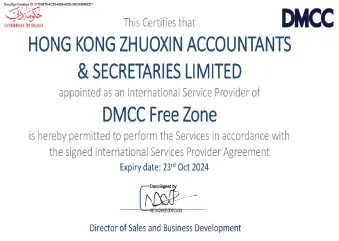
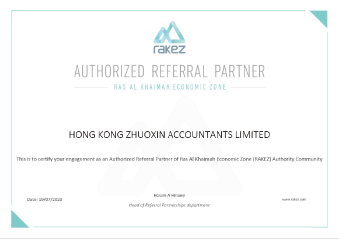
Zhuoxin Consulting relies on its Chinese service network and Dubai executive team to provide professional one-stop business services without communication barriers for Chinese companies to enter the Middle East market. Its business covers company establishment and maintenance, accounting and taxation, bank account opening, PRO services and business services.
Zhuoxin Consulting has high-quality business resources and maintains close cooperation with many free zones, bankers and tax departments in the UAE to escort your expansion in the Middle East market.


厦门卓信世野信息咨询有限公司 地址:厦门市思明区厦禾路189号银行中心2712B单元
免责声明:本网站与任何政府机构均无关联,我们提供第三方咨询和公司注册支持。